



.png)
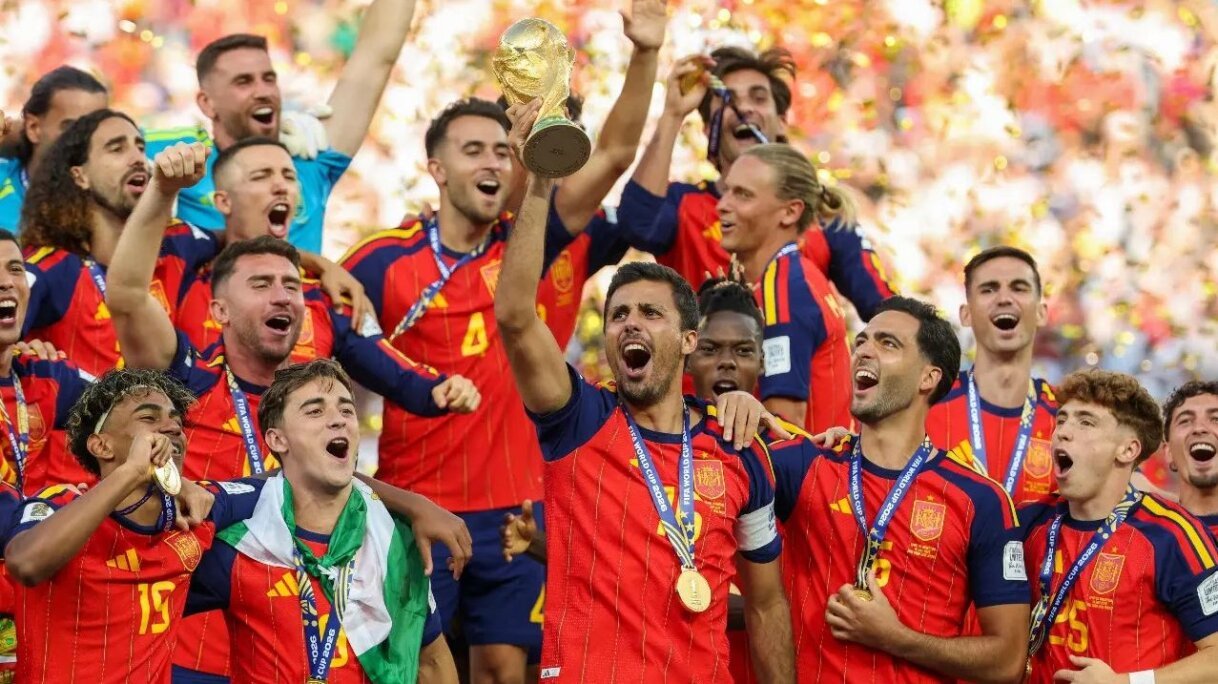
Spain's Tactical Masterclass in the FIFA World Cup 2026
When the final whistle echoed around MetLife Stadium, Spain had done more than just lift the FIFA World Cup trophy—they had delivered one of the most tactically disciplined performances seen on football's biggest stage. A narrow 1-0 victory over Argentina may not tell the full story, but Spain's intelligent game management, relentless pressing, and midfield dominance made them worthy world champions. Against an Argentine side packed with experience, creativity, and attacking quality, Spain never looked overwhelmed. Instead, Luis de la Fuente's men controlled the rhythm of the game, frustrated their opponents, and struck at the perfect moment. It was a performance built not on moments of magic alone but on a collective tactical blueprint executed to perfection.
Winning the Midfield Battle
Every World Cup final is often decided in midfield, and this contest was no different. Spain's midfield trio constantly rotated positions, making it nearly impossible for Argentina to establish control. Their movement created passing triangles across the pitch, allowing Spain to retain possession while pulling Argentina's midfield out of shape. Rather than forcing risky forward passes, Spain remained patient. They recycled possession, switched play from one flank to the other, and waited for spaces to open. This patient build-up slowly wore Argentina down, forcing them to chase the ball for long periods. The midfield also worked tirelessly without possession. Whenever Argentina attempted to launch attacks through the centre, Spain quickly closed passing lanes, preventing their creative players from turning and driving forward.
Intelligent High Press
One of Spain's biggest tactical strengths throughout the tournament was their coordinated pressing, and the final showcased it perfectly. Instead of pressing recklessly, every Spanish player knew exactly when to step forward. The front three initiated the pressure, while the midfield followed closely behind. This compact shape forced Argentina into hurried clearances and misplaced passes. Spain's press served two purposes:
- It stopped Argentina from building attacks comfortably.
- It allowed Spain to regain possession high up the pitch.
Winning the ball closer to the opposition goal reduced defensive risks while creating immediate attacking opportunities. Throughout the match, Argentina struggled to play through Spain's organized press, often resorting to longer balls that Spain's defenders comfortably dealt with.
Defensive Discipline Made the Difference
While Spain are traditionally celebrated for their attacking football, their defensive organization deserves equal praise. The back four rarely lost their shape. Instead of diving into challenges, they stayed compact and trusted their positioning. Whenever Argentina switched the ball wide, Spain's full-backs closed down quickly while the central defenders maintained excellent spacing. This discipline prevented dangerous gaps from appearing between defenders. Equally impressive was Spain's defensive transition. The moment possession was lost, players immediately worked to recover the ball rather than retreating deep. This "five-second press" prevented Argentina from launching quick counter-attacks, an area where they have traditionally been so dangerous. The defenders were also composed in possession, resisting the temptation to clear the ball unnecessarily. Instead, they calmly restarted attacks from the back, helping Spain maintain control throughout the game.
Patience Over Panic
Many teams lose World Cup finals by becoming impatient. Spain did the exact opposite. Despite the enormity of the occasion, they never abandoned their tactical identity. There was no unnecessary urgency or panic. Every attack appeared carefully constructed, with players moving into predetermined positions before progressing the ball. Even when Argentina enjoyed brief spells of possession, Spain remained calm. Their confidence in the tactical system allowed them to weather pressure without losing structure. Rather than chasing the game emotionally, they trusted their game plan from the opening whistle until the final seconds. That maturity proved decisive.
Exploiting the Wide Areas
Another important aspect of Spain's success was how effectively they used the wings. The wide players stretched Argentina's defensive line, forcing their full-backs into uncomfortable positions. Whenever Argentina narrowed to protect the middle, Spain quickly switched play to exploit the available space out wide. These rapid switches of play created crossing opportunities and opened channels for overlapping full-backs. Instead of relying solely on individual dribbling, Spain combined quick passing with intelligent movement, constantly asking defensive questions of Argentina. The width also created additional room for Spain's midfielders to operate centrally, making their possession game even more effective.
The Winning Moment
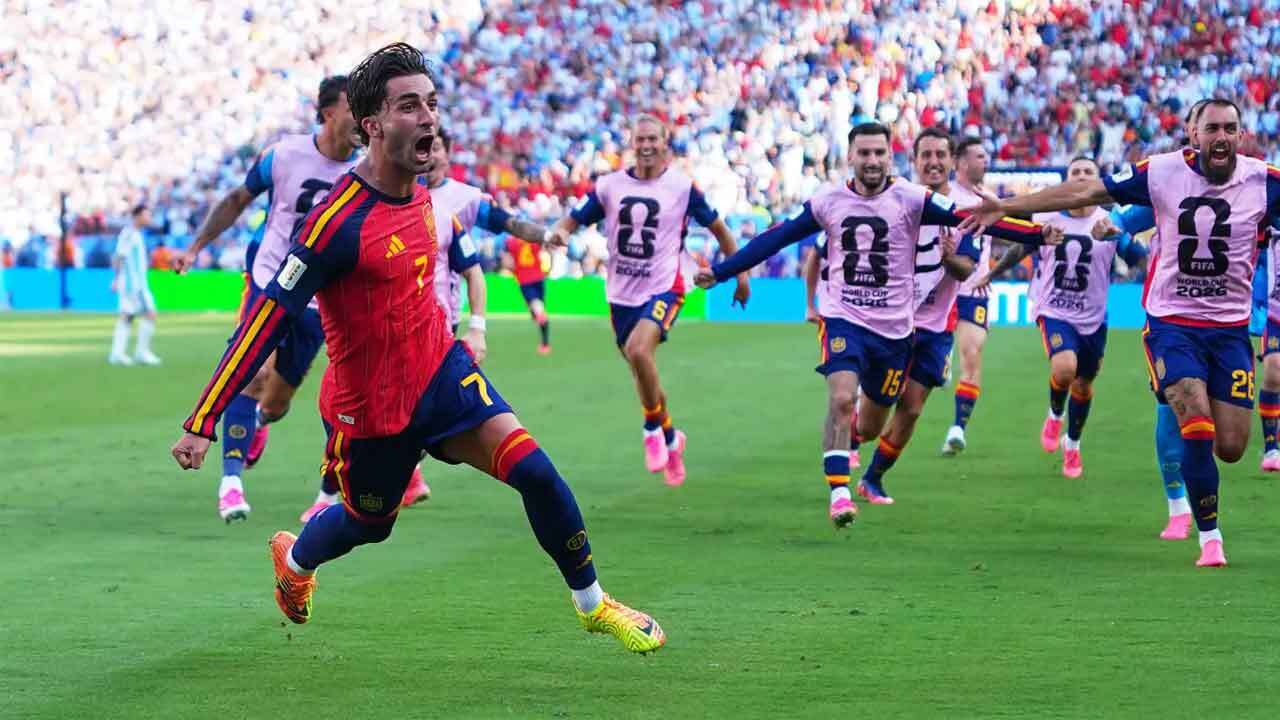
Championship matches are often decided by a single moment, but those moments usually come from sustained tactical superiority. Spain's winning goal reflected everything they had done well throughout the evening. Patient possession, intelligent movement, quick combinations, and clinical finishing all came together in one decisive attack. Rather than being a fortunate breakthrough, the goal was the reward for consistently executing their tactical plan. Once ahead, Spain displayed another quality of champions—game management. They controlled possession, slowed the tempo when necessary, defended intelligently, and forced Argentina to take increasingly difficult risks in search of an equaliser.
Luis de la Fuente's Tactical Blueprint
Much of Spain's success belongs to head coach Luis de la Fuente. Throughout the tournament, Spain balanced their famous possession-based philosophy with modern tactical flexibility. Unlike previous Spanish teams that sometimes dominated possession without penetration, this squad combined ball retention with direct attacking intent. The players were comfortable adapting during matches, pressing aggressively when opportunities arose while remaining compact defensively whenever required. This tactical flexibility made Spain one of the tournament's most complete teams. Rather than relying on one superstar, every player understood their specific role within the system. That collective understanding became Spain's greatest strength.
A Worthy World Champion
Spain's victory will be remembered not simply because they won the FIFA World Cup, but because of the manner in which they achieved it. Their triumph was built on teamwork rather than individual brilliance, discipline rather than chaos, and intelligent tactics rather than luck. From the group stage to the final, Spain consistently demonstrated why tactical organization remains one of football's greatest competitive advantages. Against one of the world's strongest national teams, they controlled possession, defended collectively, pressed intelligently, and capitalized on the decisive opportunity. The result was a deserved World Cup title and another chapter in Spain's rich football history. In years to come, coaches and analysts will revisit this final not only to celebrate the champions but to study how a perfectly executed tactical game plan conquered the biggest stage in world football.
Cover Credits Mint

Leave a Reply