



.png)
Germany and Netherlands Crash Out: The Biggest Shock For FIFA 2026
The FIFA World Cup has always been a stage where football's biggest dreams are realized—and where its greatest heartbreaks unfold. But few expected two of Europe's football giants, Germany and the Netherlands, to bow out as early as the Round of 32 in the 2026 edition. On a dramatic night filled with tension, missed chances, and penalty shootouts, Paraguay stunned four-time world champions Germany, while Morocco knocked out the Netherlands after another nerve-racking battle. The twin exits have completely reshaped the tournament and reminded fans why the World Cup remains football's most unpredictable competition.
Germany's Nightmare Continues
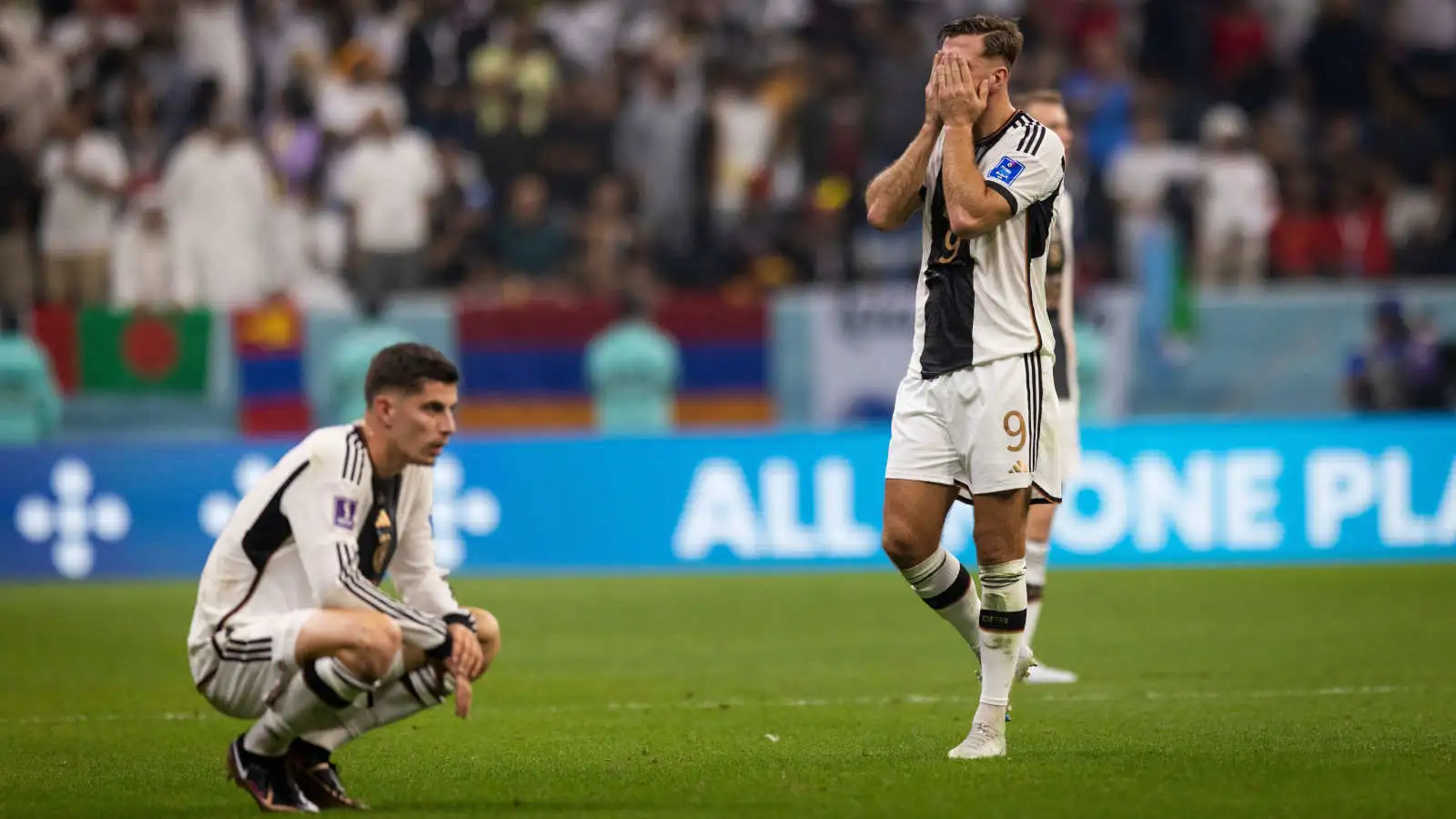
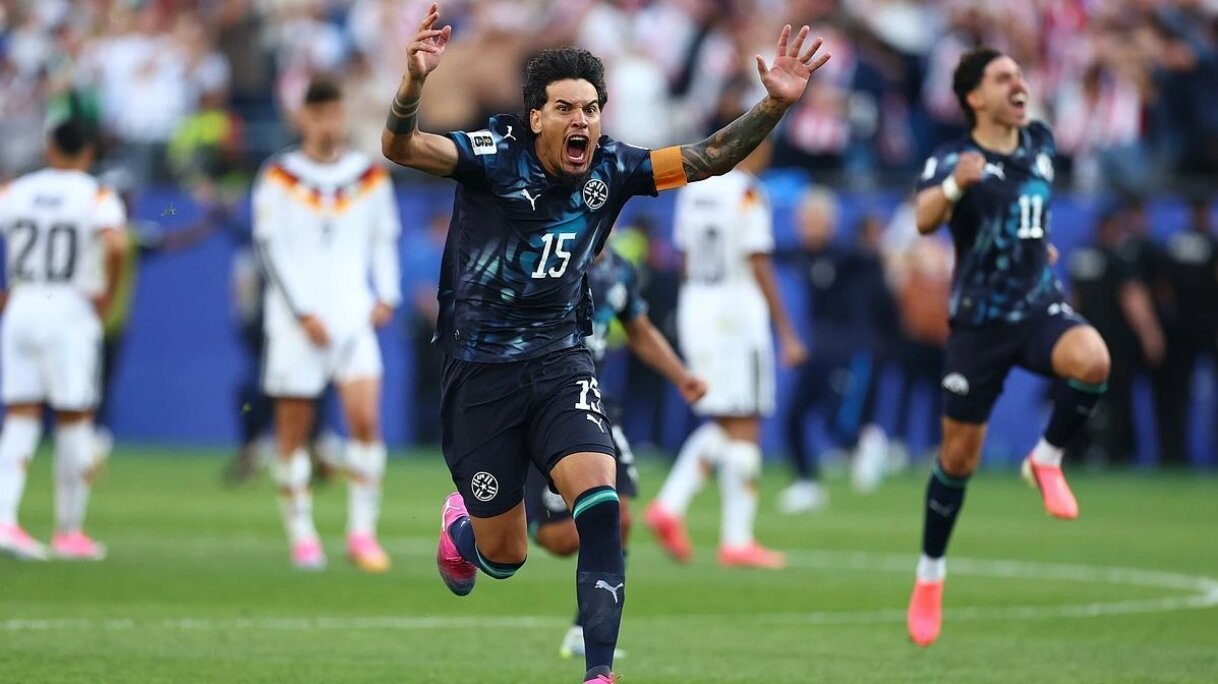
Germany entered the tournament hoping to erase memories of recent World Cup disappointments. After topping their group, Julian Nagelsmann's side looked capable of making a deep run. Instead, they suffered another painful early exit. Paraguay took a surprise first-half lead through Julio Enciso before Kai Havertz restored parity after the break. Germany dominated possession and created several opportunities, even seeing a late goal ruled out after a VAR review. Yet they could not find the winner, and the match went to penalties. The shootout produced an outcome few could have imagined. Germany, long regarded as the masters of penalty shootouts, lost a World Cup shootout for the first time in their history. Paraguay goalkeeper Orlando Gill emerged as the hero, making crucial saves before José Canale converted the decisive penalty to complete one of the biggest upsets of the tournament. For a nation that has won four World Cup titles, this defeat continues an uncomfortable trend. Since lifting the trophy in 2014, Germany have struggled to reclaim their place among football's elite on the biggest stage.
Morocco Show Why They Are No Longer Underdogs

If Germany's exit shocked many, Morocco's victory over the Netherlands highlighted just how far the African side has come. The Dutch appeared to be in control after Cody Gakpo gave them the lead in the second half. However, Morocco refused to surrender. Deep into stoppage time, they found an equaliser that forced extra time before holding their nerve in the penalty shootout. Yassine Bounou once again proved why he is considered one of the world's finest tournament goalkeepers, helping Morocco secure another famous World Cup victory. For Morocco, this was not simply another upset. After their historic run in 2022, they have shown that they belong among international football's strongest teams. Their discipline, defensive organisation and belief have become trademarks of a side capable of challenging any opponent.
What Went Wrong for Germany?
Germany's exit was not caused by a lack of talent. Players such as Joshua Kimmich, Kai Havertz and Manuel Neuer brought quality and experience, but several familiar issues resurfaced. The team dominated possession without consistently creating clear-cut chances. When opportunities finally arrived, they failed to convert them. Even more surprising was their collapse in the penalty shootout, an area where Germany traditionally excel. Julian Nagelsmann admitted his disappointment after the defeat but expressed his desire to remain in charge and continue rebuilding the national team. Questions will now be asked about Germany's tactical flexibility, attacking creativity and ability to perform under knockout pressure.
The Netherlands Fall Short Again
For Dutch supporters, the defeat feels painfully familiar. The Netherlands have consistently produced technically gifted squads capable of competing with the world's best, yet major tournament success continues to slip away. Against Morocco, Ronald Koeman's side struggled to maintain control after taking the lead. Defensive lapses, missed opportunities and another disappointing penalty shootout proved costly. While the Netherlands remain one of Europe's strongest football nations, this latest elimination will intensify discussions around tactical decisions and their inability to finish crucial knockout matches.
A New Era of World Football
Perhaps the biggest lesson from these results is that there are no easy matches anymore. Paraguay and Morocco earned their victories through tactical discipline, defensive resilience and mental strength. Neither team relied on luck alone. The expanded 48-team format has brought greater diversity and competitiveness to the tournament. Nations that were once labelled "underdogs" now possess the quality, experience and confidence to defeat traditional football powers. The Round of 32 has already produced one of the most unpredictable knockout stages in World Cup history, with established giants discovering that reputation counts for little once the whistle blows.
The Knockout Bracket Has Changed Completely
Germany and the Netherlands were both expected to progress deep into the competition. Their departures have opened opportunities for emerging football nations to dream bigger than ever. Paraguay now carries enormous momentum after eliminating one of the tournament favourites, while Morocco continues to build on the confidence gained from previous World Cup success. Their victories also serve as inspiration for every so-called underdog still competing in the tournament.
Football has always had room for surprises, but seeing Germany and the Netherlands eliminated on the same day will be remembered as one of the defining moments of FIFA World Cup 2026. For Germany, another early exit signals that rebuilding remains unfinished despite the promise shown under Julian Nagelsmann. For the Netherlands, another heartbreaking knockout defeat raises difficult questions about converting potential into trophies. Meanwhile, Paraguay and Morocco have reminded the football world that modern international football is more competitive than ever. Tactical discipline, belief and resilience can overcome history, rankings and reputation. As the tournament moves into the next round, one message is clear: in FIFA World Cup 2026, every favourite is vulnerable, and every underdog believes history can be rewritten.
Cover Credits FIFA

Leave a Reply