



.png)
Asian Games 2026: 5 New Sports Bringing a Fresh Face to Aichi-Nagoya
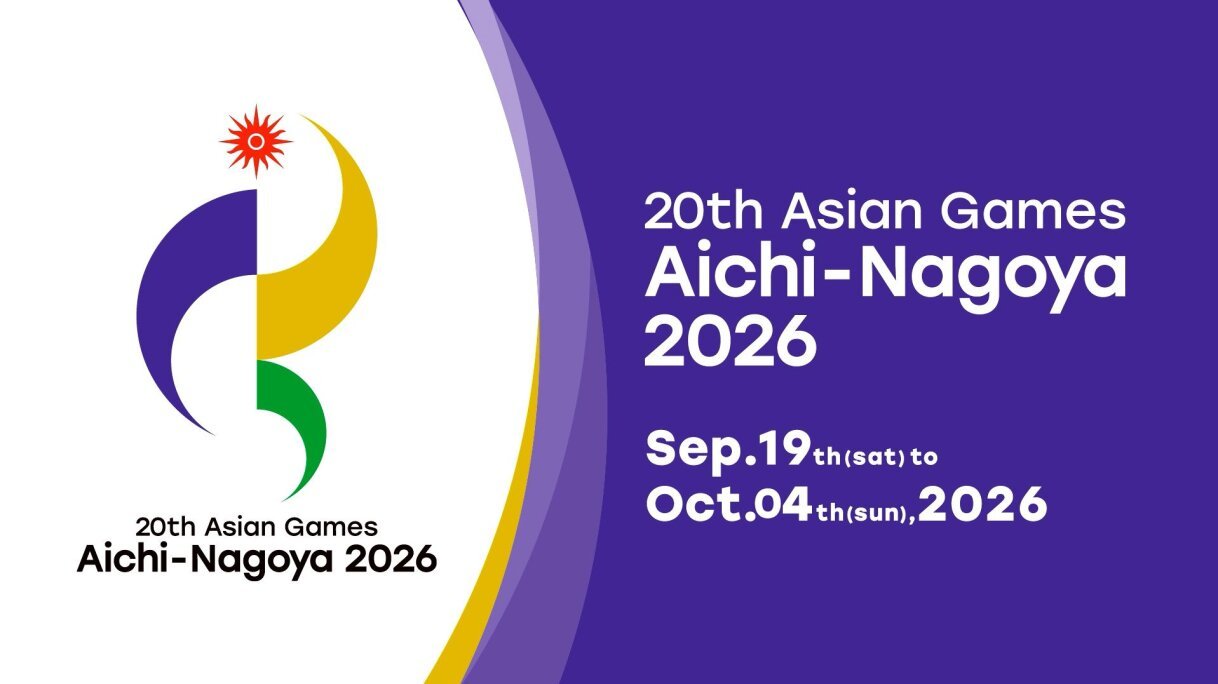
The Asian Games 2026 are about to enter a new chapter. The 20th edition of the continental multi-sport event takes place in Aichi-Nagoya, Japan, from September 19 to October 4, bringing together around 17,000 athletes and officials from 45 countries and regions. The competition features 43 sports and 469 medal events, three more sports than the previous Asian Games in Hangzhou. While traditional favourites such as athletics, swimming, football, badminton and basketball will remain major attractions, Aichi-Nagoya 2026 is also introducing a younger and more modern sporting flavour.
Five sports will make their debut at the Asian Games: mixed martial arts, padel, surfing, virtual taekwondo and teqball.
1. Padel: The Fast-Growing Racket Sport
Padel has become one of the fastest-growing racket sports worldwide, and its arrival at the Asian Games represents another important step in its international development. Played mainly in doubles, padel combines elements of tennis and squash. The court is enclosed by glass and mesh walls, meaning players can use the walls as part of the game. It is played with shorter, solid rackets and a slightly softer ball than tennis. That combination makes padel particularly different from traditional racket sports. The sport has developed a strong recreational following because it is relatively easy for beginners to pick up while still offering plenty of tactical depth for experienced players.
At Aichi-Nagoya 2026, padel will have two medal events:
- Men's doubles
- Women's doubles
The inclusion of padel is significant because it gives the sport a major continental platform in Asia. The International Padel Federation says the sport now has organised activity in more than 140 countries and millions of participants worldwide. For spectators who enjoy tennis and badminton but want something different, padel could be one of the most accessible new sports to watch.
2. Surfing: Bringing the Ocean Into the Asian Games
Surfing is another major addition to the Asian Games 2026 programme. Unlike most sports at a multi-sport event, surfing depends heavily on natural conditions. Waves, wind and weather can influence how athletes perform, making it very different from sports played inside stadiums or purpose-built arenas. Its inclusion also reflects the growing popularity of surfing across Asia.Countries and regions across the continent have developed strong surfing communities, particularly those with extensive coastlines and favourable conditions. The sport's Olympic status has also helped raise its international profile. Surfing will have another important connection to the next Olympic cycle. The Aichi-Nagoya Asian Games are being used as a qualification route for the Los Angeles 2028 Olympics in several sports, including surfing. That gives the event added importance for athletes hoping to reach LA 2028.
3. Mixed Martial Arts: A New Combat-Sports Spotlight
Mixed martial arts, commonly known as MMA, is arguably the most physically intense addition to the Aichi-Nagoya programme. MMA combines techniques from several combat disciplines, including striking, wrestling and grappling. Fighters need to be capable of competing in both standing exchanges and ground situations. Its inclusion represents the growing international popularity of combat sports. Asian countries have long produced successful athletes in disciplines such as judo, wrestling, boxing, karate, taekwondo and wushu. MMA brings several of these combat traditions together within one competitive format. The Asian Games provide MMA with a much larger multi-sport audience than a standalone combat-sports event would normally reach. It also gives younger fans another reason to follow the Games. With established sports continuing to dominate the medal programme, MMA provides something visually and competitively different. Its debut could help introduce the sport to audiences who may not regularly watch professional MMA.
4. Virtual Taekwondo: Where Sport Meets Technology
Perhaps the most unusual addition is virtual taekwondo. The event reflects the changing relationship between traditional sport, technology and gaming. Instead of relying entirely on conventional physical combat, virtual taekwondo incorporates technology into the competitive experience. This makes it particularly interesting in an Asian Games programme that is increasingly experimenting with newer forms of competition. Technology has already become a major part of modern sport, from electronic timing and video reviews to wearable tracking devices and virtual competitions. Virtual taekwondo takes that relationship a step further. Its inclusion also fits into the wider effort to appeal to younger audiences. Esports made its debut as a medal sport at the Hangzhou Asian Games, while breaking also joined the programme there. Both are returning in Aichi-Nagoya. The arrival of virtual taekwondo therefore adds another layer to the Games' evolving digital identity.
5. Teqball: Football Meets Table Tennis
If padel combines tennis and squash, teqball could be described as a meeting point between football and table tennis. The sport is played using a curved table, with players using football techniques to control and return the ball. It looks unusual at first, but the basic concept is easy to understand: players must use skill, balance, precision and control to return the ball over the net without allowing it to bounce more than the permitted number of times.
Teqball will have five events at Aichi-Nagoya 2026:
- Men's singles
- Men's doubles
- Women's singles
- Women's doubles
- Mixed doubles
The Olympic Council of Asia confirmed the addition of teqball alongside padel, taking the overall Asian Games sports programme to 43 sports. For football fans, this could be one of the easiest new sports to get into. The skills are recognisable, but the format is completely different from traditional football.
Why Are New Sports Important for the Asian Games?
Adding new sports is about more than simply increasing the number of medal events.
A major multi-sport event needs to remain relevant to changing audiences. Traditional sports provide history and prestige, but newer disciplines can attract younger viewers and introduce different sporting communities to the Games. Aichi-Nagoya is particularly interesting in this respect. The programme has expanded to 43 sports, but organisers have also removed several sports that appeared at previous editions. Chess, go, xiangqi, bridge, dragon boat racing, roller skating and marathon swimming are among the sports that have been dropped from the programme. That demonstrates how the Asian Games programme continues to evolve rather than remaining fixed.
A Different Asian Games for a New Generation
The new sports also reflect how the definition of sport is changing. Padel brings a rapidly expanding racket sport into the continental spotlight. Surfing introduces a competition heavily influenced by nature. MMA brings a growing combat discipline to the Games. Virtual taekwondo connects sport with technology, while teqball creates an entirely new way to use football skills. Together, they offer something different from the traditional Asian Games programme. They also provide athletes from emerging sporting communities with an opportunity to compete on a major continental stage. For fans, the benefit is simple: more sports means more stories, more athletes and more ways to experience the Games.
The Bigger Picture: A Pathway to LA 2028
The significance of Aichi-Nagoya goes beyond the Asian Games themselves. Several sports at the event will also provide qualification opportunities for the 2028 Los Angeles Olympics. According to current event information, direct Olympic quota places can be earned through competitions in sports including archery, hockey, sailing, squash, surfing, tennis and triathlon. That means some athletes arriving in Japan are competing for much more than an Asian Games medal. For the newer sports, however, the immediate objective is also to establish themselves. A successful debut can help build audiences, attract new participants and strengthen the case for future appearances at major international events.
What to Watch at Aichi-Nagoya 2026
The Asian Games have always been a celebration of sporting diversity, but Aichi-Nagoya takes that idea a step further. With 43 sports, 469 medal events and approximately 17,000 athletes and officials, the 2026 Games will be one of the biggest sporting events on the calendar. The five new sports could be among the most intriguing parts of the programme. Whether it is a spectacular surfing ride, a fast padel rally, an MMA bout, a virtual taekwondo contest or a clever teqball exchange, these sports give the Aichi-Nagoya Asian Games a distinctly modern feel. And if they capture the attention of a new generation of fans, their impact could last well beyond the closing ceremony on October 4. For the Asian Games 2026, the message is clear: tradition remains important, but the future of sport is also finding its place in Aichi-Nagoya.
Cover Credit OCA

Leave a Reply