



.png)
Hockey: Why Goalkeepers Can Decide the Biggest Matches
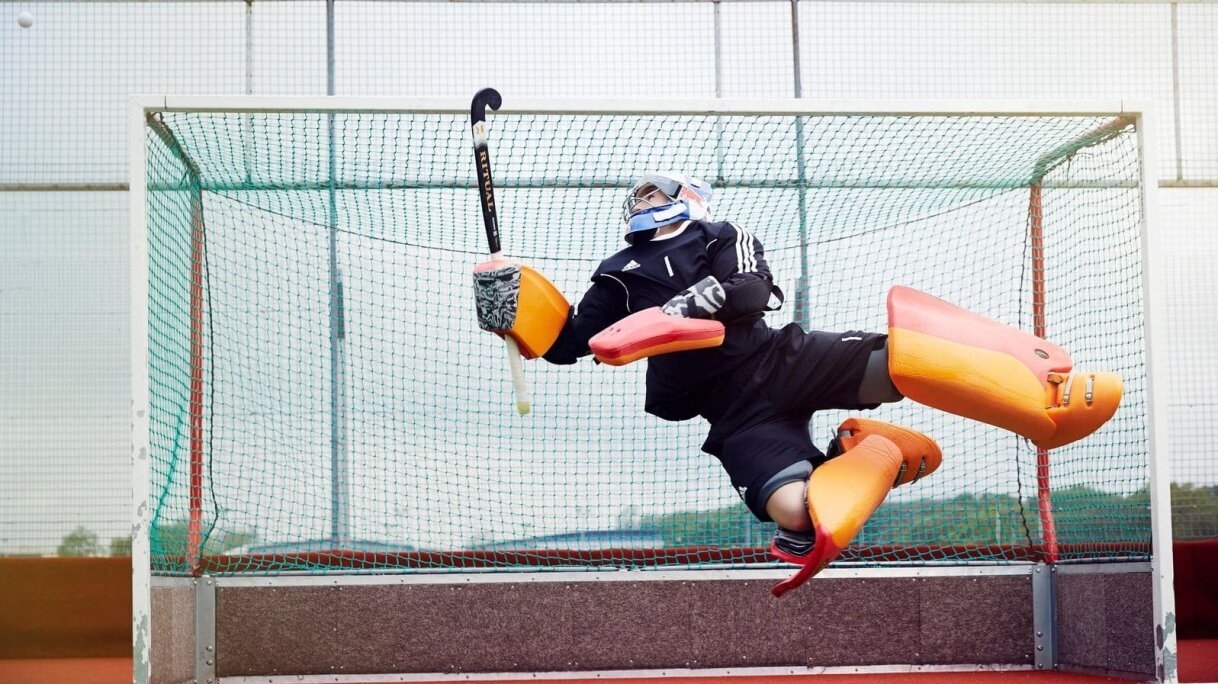
In field hockey, goals often grab the headlines, but the goalkeeper can be the difference between victory and defeat. A spectacular save, a perfectly timed reaction or a calm performance under pressure can change the momentum of an entire match. At the highest level, where teams are separated by fine margins, goalkeepers do much more than stop shots. They organise the defence, read attacking movements, defend penalty corners and give their teammates the confidence to play aggressively. The importance of goalkeeping was particularly visible at the Paris 2024 Olympics, where defensive performances played a major role in several closely contested matches. With penalty-corner defence and tactical preparation becoming increasingly sophisticated, goalkeepers remain central to success in modern field hockey.
Here is why goalkeepers can decide the biggest hockey matches.
1. One Save Can Change the Entire Match
Hockey is a fast-paced game in which a single mistake can create a scoring opportunity. Attackers can move the ball quickly into the circle, leaving defenders and goalkeepers with very little time to react. A goalkeeper who makes a crucial save can prevent an opponent from taking control of the match. This is especially important when a team is protecting a narrow lead or trying to stay in contention against a stronger attacking side. The psychological impact can be just as significant. A key save can lift the defending team, energise the crowd and put pressure back on the opposition. Repeatedly being denied can also frustrate attackers, encouraging rushed decisions and less accurate shots. This is why goalkeepers are often remembered for individual moments that change the direction of a match, even when they do not score or assist a goal themselves.
2. Penalty Corners Put Goalkeepers Under Pressure
Penalty corners are among the most dangerous attacking situations in field hockey. They give the attacking team an organised opportunity to create a shot on goal, often through a powerful drag flick or a carefully rehearsed variation. For the defending team, every second matters. The goalkeeper must read the injection, anticipate the attacking movement, position themselves correctly and react to a shot that may arrive at considerable speed. However, penalty-corner defence is not the goalkeeper's responsibility alone. Defenders who rush out to block the first shot, along with teammates who cover passing options and rebounds, play an equally important role. The International Hockey Federation has also strengthened protective measures for players defending penalty corners. Since January 2025, face masks have been mandatory for players defending penalty corners at FIH events. A well-organised defensive unit, supported by a goalkeeper who reads the play effectively, can turn a dangerous attacking opportunity into a frustrating moment for the opposition.
3. Reaction Time and Positioning Make the Difference
Goalkeeping requires exceptional concentration, fast reactions and an understanding of how attackers create shooting opportunities. When an attacker enters the shooting circle, the goalkeeper must judge the angle, distance, body position and likely direction of the shot. Moving too early can give the attacker an opening, while moving too late may leave no time to make the save. Good positioning helps reduce the amount of goal an attacker can see. Rather than relying entirely on reflexes, experienced goalkeepers work to narrow the shooting angle and force opponents into less favourable positions. They also need to recover quickly after making a save. A blocked shot may fall to another attacker, creating an immediate rebound opportunity. The ability to regain balance, track the ball and react again can prevent a second shot from becoming a goal. These skills are developed through repetition, video analysis and training against different types of attackers.
4. Goalkeepers Bring Leadership to the Defence
A goalkeeper has a view of the entire defensive structure and can often identify problems that field players cannot see while tracking the ball. Clear communication helps defenders maintain their positions, mark opponents and close down passing lanes. Goalkeepers can also alert teammates to unmarked attackers, dangerous runs and changes in the opposition's formation. This leadership becomes especially important when a team is under sustained pressure. Instead of allowing the defence to lose shape, a confident goalkeeper can help teammates stay organised and focused. Communication is also essential during penalty corners, when defenders must know exactly who is responsible for blocking the first shot, covering the rebound or protecting a passing option. A goalkeeper who combines technical ability with strong communication can make the entire defensive unit more effective.
5. Shoot-Outs Turn Goalkeepers into Match-Winners
When a major hockey match reaches a shoot-out, the goalkeeper becomes one of the most closely watched players on the pitch. Shoot-outs are different from ordinary play. Attackers have a limited opportunity to beat the goalkeeper in a one-on-one situation, relying on speed, control and deception. The goalkeeper must judge the attacker's movement while avoiding an early commitment that creates an easy scoring opportunity. Mental strength is crucial. A goalkeeper who remains composed after conceding can recover quickly, while one who allows a missed save to affect their confidence may struggle with the next attempt. Shoot-outs also demand preparation. Teams study opponents' preferred movements and shooting patterns, while goalkeepers work on reading body language and making decisions under pressure. At the Paris 2024 Olympics, shoot-outs played a decisive role in both the men's and women's finals. The Netherlands won both gold medals, with goalkeeper performances proving important in the tense finishes. These moments demonstrate why goalkeepers can become the defining figures in matches where there is little to separate the teams.
6. The Best Goalkeepers Combine Skill with Mental Strength
Physical ability is only one part of successful goalkeeping. The position also requires patience, emotional control and the ability to recover immediately after a mistake. Goalkeepers may go long periods without facing a serious shot before suddenly being required to make several saves in quick succession. Maintaining concentration throughout the match is therefore essential. They must also cope with the pressure of knowing that a single error can lead directly to a goal. Successful goalkeepers learn to focus on the next action rather than dwelling on a previous mistake. Training increasingly involves video analysis, reaction exercises and simulations of realistic match situations. Coaches can use these methods to help goalkeepers recognise attacking cues, improve positioning and make decisions more quickly. The strongest goalkeepers combine these skills with resilience, allowing them to perform consistently when the stakes are highest.
7. What Modern Hockey Teaches Us About Goalkeeping
Modern field hockey has become increasingly tactical, with teams using structured attacking movements, aerial passes and rehearsed penalty-corner routines to create scoring opportunities. Defensive units have responded by improving their positioning, coordination and ability to block shots before they reach the goalkeeper. As a result, a successful save is often the product of teamwork rather than an individual reaction alone. The Paris 2024 Olympics offered a clear example of this trend. An analysis reported by The Indian Express, drawing on FIH observations, highlighted the importance of goalkeepers and defensive strategies during the tournament. The men's competition featured fewer goals than at Tokyo 2020, while several matches were decided by narrow margins or shoot-outs. The lesson is simple: successful teams need more than powerful attackers and creative midfielders. They also need goalkeepers who can perform under pressure and defenders who work together to limit high-quality chances.
The Last Line of Defence Can Become the First Name on the Team Sheet
Goalkeepers may spend much of a hockey match away from the spotlight, but their influence becomes clear when the pressure rises. A crucial penalty-corner save, excellent positioning or a decisive shoot-out performance can change the outcome of a tournament. Their contribution goes beyond stopping goals. They organise defenders, influence the confidence of teammates and help teams remain competitive when opponents dominate possession or create repeated chances. As field hockey continues to evolve, goalkeeping will remain a vital part of winning at the highest level. For fans, the next time a match is decided by a single goal, it is worth looking beyond the scorer and recognising the goalkeeper who made victory possible.
Cover Credit Playcric News

Leave a Reply